Build Your
Strength.
I'm Jamie. I'm 37, a dad of three, and I have a rare blood cancer. This is how I run my days with an illness nobody can see: what I track, how I pace, how I get stronger a little at a time, and how I walk into every appointment. I've put it in one folder you can use yourself, for £20.
Instant download · Works, or your money back · Secure checkout with Stripe
Works on your phone in a Claude or ChatGPT app chat. A computer is optional, and the booklet reads anywhere.
- £20 once
- Nothing sent to Nine Bar
- Works with ChatGPT or Claude, or on paper
- Not medical advice
"Living with chronic pain and a chronic illness nobody can see, you don't wait to feel ready. You start where you are."
From my Instagram, @jamievscancer
If you're ill, you'll know these.
I didn't, until August 2025. Now they're my week. Each one is something the folder is built to help with.
"You don't look sick."
Looking well, being well and feeling well are different things. A daily record shows what your face doesn't, to you and to your doctor.
The good day you pay for.
You feel all right, so you do everything. Then you lose two days. A plan for good days, written in advance, tells you when to stop.
Ten minutes with the consultant.
You wait weeks, then forget the one thing that mattered. You walk in with three questions and one page that says how you've really been.
"How are you?"
Nobody wants the long answer and "fine" isn't true. There are words for your family, your boss and the friend who keeps asking.
Starting again from nothing.
I couldn't walk properly. Your starting point is whatever you can do on a bad day, and it counts.
3am.
The waiting, the searching, the what-ifs. A routine for the nights your head won't stop, and a plain line on when you need a person, not a page.
Is this for you?
It's for you if
- You're living with a long-term condition and your energy changes day to day.
- You crash after doing too much, and want to find your limits without guessing.
- Your appointments feel rushed and you forget what you meant to say.
- You want something gentle you can keep up on a bad day, from your phone.
It's not for you if
- You need medical advice or help in an emergency. Ring your doctor, or 999 or 112.
- You want a training plan to push harder. It starts with pacing, not building up.
You'll need
- A phone or a computer.
- A Claude or ChatGPT account. A free one works the guide-and-spreadsheet way.
- A minute a day once you're set up.
How it works.
No app to learn, no account, no subscription. If you use ChatGPT or Claude, you tell it how you are in your own words and it keeps the record. If you don't, every page prints and there's a spreadsheet.
Download the folder.
Pay once and download straight away. Put the folder somewhere you'll keep it. Your record lives inside it, on your own computer.
Open it in ChatGPT or Claude.
In Claude Code or ChatGPT's Codex, choose the folder and the AI reads the playbook by itself. In a Claude chat or ChatGPT Plus, upload the tool and the core file from the for-a-chat folder; it asks for a guides file when a stage needs one.
Say "Check in."
Tell it how you are: "bad night, pain's a six". It records it, shows you your day and your plan for that kind of day, and gives you one small thing to do. On a bad day it stops there.
Watch how it works.
Buy, download, upload two files to a Claude chat (or open the folder in Claude Code), and check in. Forty seconds, start to finish.
Music: Ovanea by Moavii, from Free To Use.
This is what you get to look at.
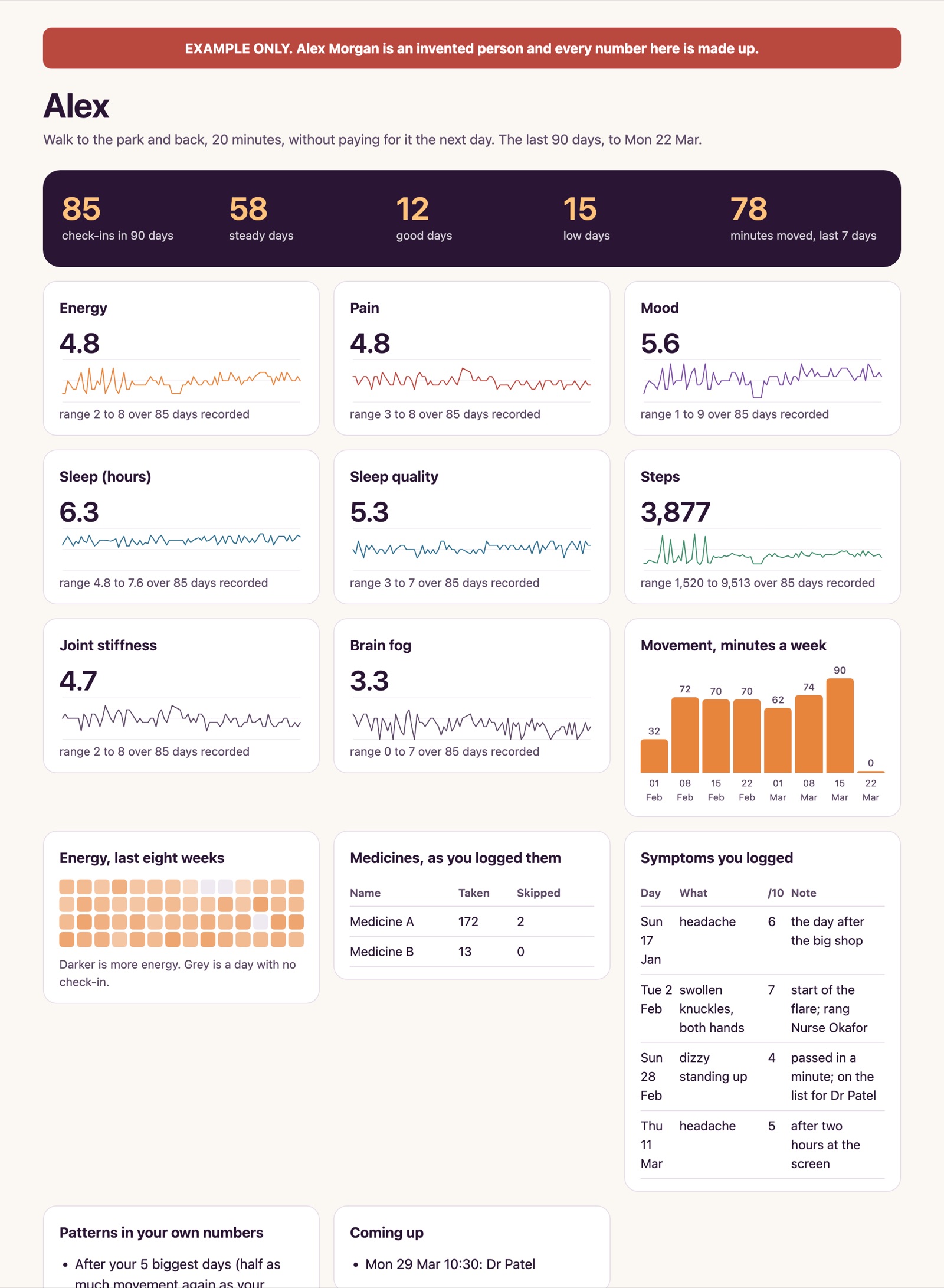
Real screens from the folder. The person shown is the worked example that comes with it: Alex Morgan, who is invented, thirteen weeks in. Every number is made up.

========================================================================
EXAMPLE ONLY. Alex Morgan is invented and so is every number here.
========================================================================
Alex, Monday 22 March 2027

CHECK-IN
  Done: energy 5, pain 4, mood 6, sleep (hours) 7, sleep quality 6, steps 3400, joint stiffness 4, brain fog 3
  A steady day by your own measure. Your plan for it: One job, one walk to the corner (10 minutes), stop at 3pm.

MEDICINES (as you listed them)
  [x] Medicine A                 morning      as on the label  (taken)
  [ ] Medicine A                 evening      as on the label
  [x] Medicine B                 Monday       as on the label  (taken)

MOVEMENT
  Today: nothing logged yet
  Last seven days: 78 minutes (the seven before: 74).
  The daily limit you set: 25 minutes.

APPOINTMENTS
  Mon 29 Mar 10:30  Dr Patel  (in 7 days)
  It's within a week. Make your one-page summary: python3 health.py summary
  Questions waiting: 4

This is your own record, not medical advice. It can't diagnose anything or tell you what to take. Anything new, severe or frightening: call your emergency number or your care team, not the tracker.

Six parts. Start with whichever hurts most.
Got an appointment this week? It starts there. Having a terrible day? It does one small thing and leaves the rest.
Your picture
What you live with, in your own words. What's worth tracking, who looks after your care, and what they've told you to act on.
Track
A thirty-second check-in: energy, pain, mood, sleep, and two or three things of your own. Symptoms as they happen. A record of your medicines.
Pace
A plan each for low, steady and good days. An energy budget. A flare plan written on a good day for a bad one.
Strength
Movement that starts where you are today, agreed with your clinician, and grows only when the next three days are fine. If effort makes you worse a day or more later, it starts with pacing, not building up. Eating and sleeping in a way that helps.
Mind
The waiting, the bad days, who you are now. A grounding routine for 3am, and how to let people help.
Appointments and people
Your three questions, a one-page summary, what to say when you're not being heard, and how to tell family and work.
Build Your Strength.
£20 once
Instant download · Works, or your money back · Secure checkout with Stripe
Installs nothing · No tracking · Nothing sent to Nine Bar
A folder you keep. Pay with Stripe, download straight away, and we email you the link.
Already bought it? Get your download link again.
- The booklet: every guide in one PDF, to read on your phone or print
- The playbook: how I run my days, in six parts
- 22 guides, from the flare plan to the appointment kit
- The tracker: symptoms, energy, pain, mood, sleep, medicines, movement
- A dashboard and a one-page appointment summary
- Two spreadsheets, and pages to print and fill in by hand
- Works with ChatGPT or Claude, or on paper
Build Your Strength is a record-keeping and planning tool. It is not medical advice, not a medical device and not a substitute for your care team. In an emergency, call your emergency number.
I post it as I live it.
The swims, the steps, the hospital days and the bad ones. These are from my Instagram. What I do is my choice with my own doctors behind it, not advice for you. The folder is the method underneath: start where you are, a little every day.
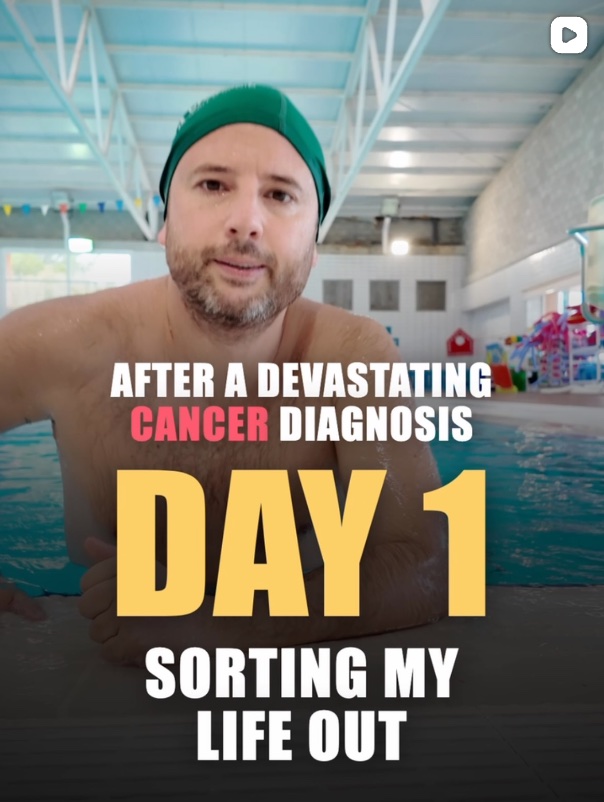 "The hardest part isn't the swim. It's getting there."
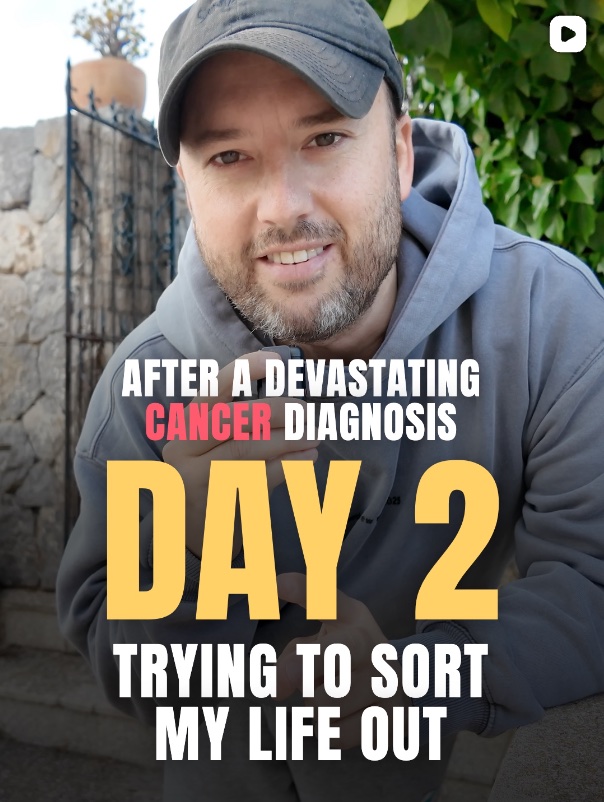 "I can't train like a normal 37-year-old."
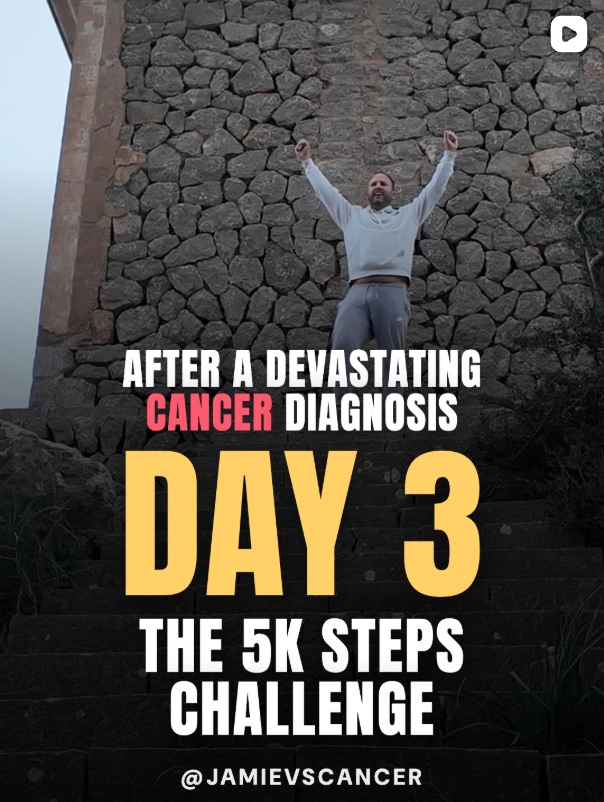 "5,000 steps might not sound like a lot to you, but to me this is a huge one."
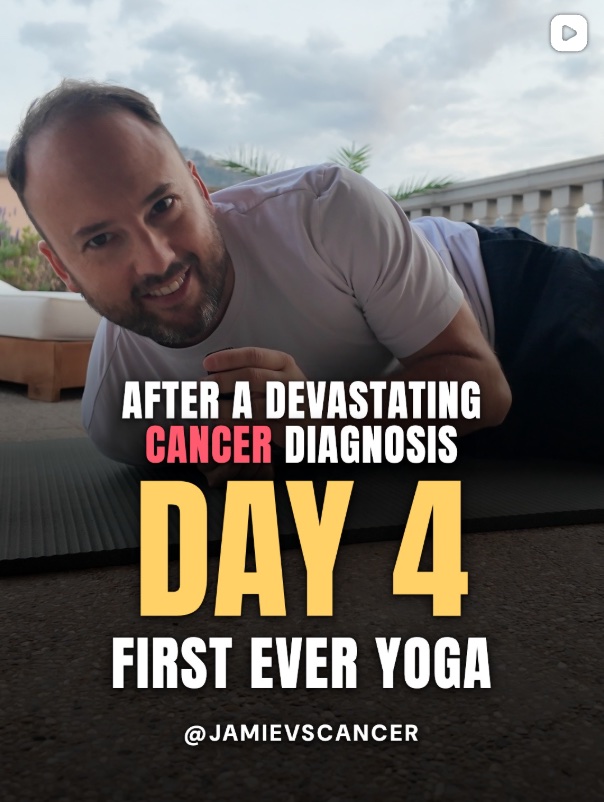 "Positions my body never agreed to."
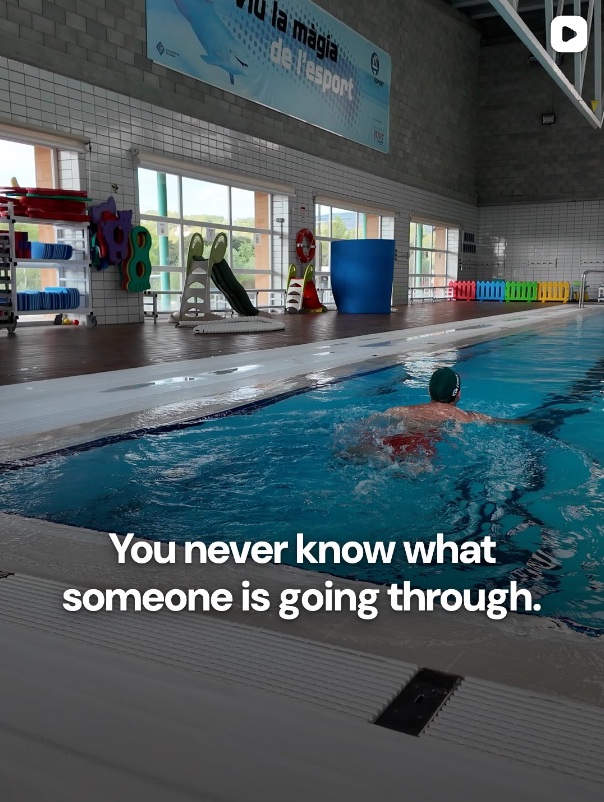 "Most illness is invisible."
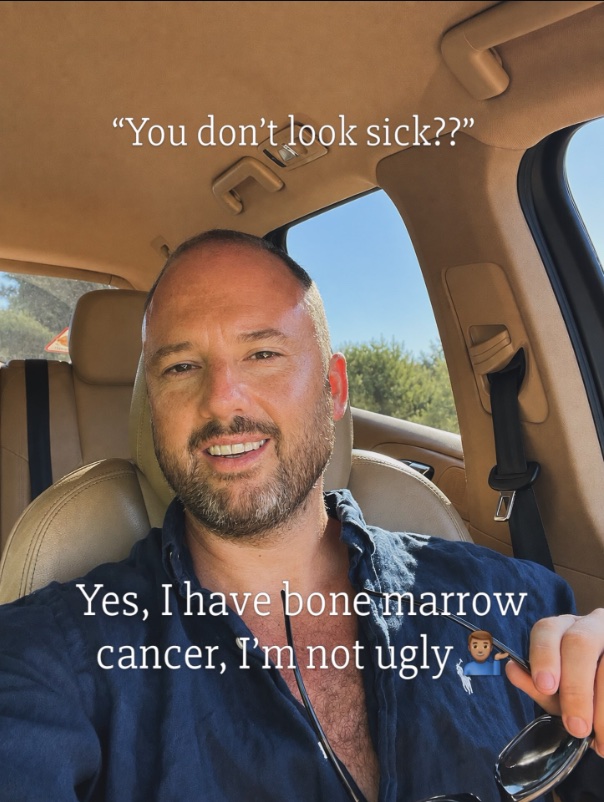 "Lots of medication. Lots of rest. Lots of planning. Lots of pain. Lots of compromise."
Thirty seconds a day.
You say how you are. It writes it down, tells you what kind of day it is by your own measure, and reads you the plan you wrote for that kind of day. On a bad day it does one small thing and stops.
It never tells you what a symptom means and never touches your medicines. It helps you ask the people who can.
Check in. Rough night, about five hours. Pain's a six, energy three.
Logged. That's a low day by your own measure. Your plan for a low day says: rest first, medicines, one meal, one message to someone. Nothing else is owed.
I've got the consultant on Monday.
Then one small job, not today: your three questions. I'll make the one-page summary from your last six weeks. Pain has averaged 6 this fortnight, up from 4. I can't tell you why. It goes at the top of the page.
What's in the folder.
The AI reads the playbook. These are yours: 22 guides in my voice, two spreadsheets and a worked example. Everything prints, so it works on paper too.

The playbook.
How I run my own days since my diagnosis: counting everything, starting where I am, resting before the crash, and pushing to be heard. Including what I got wrong.
The tracker.
Runs in your chat or on your computer and never connects to the internet: your daily record, medicines log, movement, appointments, the dashboard and the one-page summary.
The safety rules.
Written into the AI's instructions: emergencies first, no diagnosis, no advice on medicines, nothing that argues with your care team.
Start
Track
Pace
Strength
Mind
Appointments and people
Spreadsheets and the worked example

"Strength isn't always about fighting harder. Sometimes, it's about getting out of bed."
In August 2025 I was taken into hospital and diagnosed with a rare, progressive blood and bone marrow cancer. I spent thirty nights in hospital in the first year. I used a wheelchair, stood up again, and seven months later swam a kilometre. I'm still in treatment, and I live with pain and fatigue most days. This folder is how I run those days. Mindset doesn't cure anything, and neither does a folder. But knowing your own days changes how you face them. It's my experience, not medical advice, and what works for me may not be right for you.
Jamie Mussett Harford
What it will never do.
I built it for my own days first. These are the lines I wouldn't let it cross with me.
It never plays doctor.
No diagnosis, no "that's probably nothing", no advice to start, stop or change a medicine. It helps you ask the people who can answer.
Emergencies come first.
If what you describe could be serious, it stops and tells you to call your emergency number or your care team. It doesn't try to judge.
No promises.
It won't cure anything and it won't say it will. It helps you see your own days clearly and use the energy you have.
Your record stays yours.
It's kept in your folder, or in your chat and the zip you save. Nothing is sent to Nine Bar. What you type to your AI goes to the company that runs it, so you choose how much to say.
Questions people ask.
Who is it for?
Adults living with a long-term condition, chronic pain or fatigue, a serious diagnosis or a long recovery, and the people who care for them. It isn't tied to one illness. It works whether you have a diagnosis or are still trying to get one.
Is this medical advice?
No. It keeps your record, shows you your own patterns and prepares you for appointments. It never diagnoses, never tells you what a symptom means and never advises on medicines or treatment. Those belong to you and your care team.
Where does my health information go?
Nothing is ever sent to Nine Bar. If you use Claude Code or Codex, the folder and your record stay on your computer. In a Claude or ChatGPT chat, your record is kept in that chat and in the zip you save, and the chat company processes it. Either way, the AI you use matters: what you type to ChatGPT or Claude is processed by the company that runs it, so check its privacy settings and leave out anything you'd rather not share, such as your full name. It works just as well without.
What do I need?
Easiest in a Claude chat, with nothing to install: you upload two files from the folder to start (a guides file when it asks) and it keeps your daily record, shows your week and writes your summary for appointments. Also ChatGPT Plus, or Claude Code and Codex if you use them. On free ChatGPT, Gemini or Copilot it works the guide-and-spreadsheet way: the same method, with the big sums in the spreadsheet and no dashboard. With no AI at all, the guides, printable sheets and spreadsheets still work.
Is it safe to open and run?
Yes. Nothing in the folder installs anything, runs on its own or sends anything to anyone. It holds guides, spreadsheets with no macros, PDFs and one small Python script, health.py, that uses only what comes with Python. It never goes online and has no link to your bank, your email or anyone else. Nothing is ever sent to Nine Bar: no accounts, no tracking. In a chat, what you upload is read by that AI company, so don't upload passwords or card numbers. You can open the script in any text editor and read every line, and the folder includes a page that lists exactly what it does.
I'm exhausted. How much work is it?
Thirty seconds a day, in your own words. Setup is about ten minutes and you can stop halfway. On bad days it asks for nothing. A missed week is treated as information, never as failure.
Will it tell me to exercise?
Only gently, and only after you've checked with your clinician what's safe for you. It starts below what you can do on a bad day and never pushes. If your symptoms get worse after effort, it helps you stay inside your limits and tells you to raise it with your team.
Will it make me better?
I can't promise that and nobody honestly could. It won't treat or cure anything. It helps you see your days clearly, spend your energy on purpose, and get more out of the time you have with your doctors.
Can I get a refund?
If it won't open or run on your computer, yes. Email Jamie within 30 days of buying: we'll help you get it working, and if we can't, we refund you in full. We don't refund a change of mind, because the download is yours the moment you pay.
I share the rest as it happens on Instagram: @jamievscancer. If you run a business as well as an illness, my business playbooks are separate.